
Table of Contents
ToggleWhen it’s time to upgrade your kitchen appliances, the dishwasher is often an afterthought, until you’re hand-washing every pot for the third night in a row. GE Profile dishwashers occupy a sweet spot in the market: more advanced than budget models, but without the luxury-tier price tag of ultra-premium brands. With mid-range pricing starting around $800 and topping out near $1,500, these machines pack in features like advanced wash systems, quiet operation, and smart connectivity that used to be exclusive to high-end units. Whether you’re renovating a kitchen or simply replacing a worn-out unit, understanding what GE Profile offers helps homeowners make a purchase they won’t regret five years down the road.
Key Takeaways
- GE Profile dishwashers offer mid-range pricing ($800–$1,500) with premium features like stainless steel tubs, quiet 45–48 dB operation, and smart WiFi connectivity that rival luxury models.
- A GE Profile dishwasher’s third rack and bottle jets solve common loading challenges by accommodating flat items and tall glassware that standard racks struggle to clean effectively.
- The UltraFresh vent system with Microban antimicrobial protection addresses the top modern dishwasher complaint—odor buildup—by circulating air and inhibiting bacteria growth between cycles.
- Monthly filter cleaning, quarterly descaling runs, and keeping rinse aid filled are simple maintenance tasks that extend GE Profile dishwasher performance to 10+ years of reliable operation.
- Proper installation requires measuring your cabinet opening, checking water and electrical connections, and securing the unit level to prevent drainage issues and leaks.
What Makes GE Profile Dishwasher Stand Out?
GE Profile sits in the company’s mid-tier lineup, positioned above the basic GE models and below the premium Café and Monogram lines. The difference isn’t just branding, it’s engineering.
These units typically feature stainless steel tubs instead of plastic, which improves durability and heat retention during the drying cycle. The tub material matters: stainless resists staining, doesn’t absorb odors, and handles high-temperature wash cycles without warping. Most models run at 45-48 decibels, quieter than a typical conversation, thanks to improved insulation and motor design.
GE Profile also leans heavily into third-rack designs. That top rack isn’t just a silverware holder, it’s a dedicated space for spatulas, measuring cups, and other flat items that usually jam up the bottom rack. This expands usable capacity without increasing the machine’s footprint, a real advantage in galley kitchens or older homes where cabinet space is fixed.
Another standout: bottle jets integrated into the upper rack. These flip-down nozzles direct water straight up into tall items like travel mugs, baby bottles, and narrow vases, stuff that never gets clean in a standard rack layout. It’s a small feature that solves a common annoyance.
Key Features and Technology in GE Profile Models
GE Profile models share a core set of technologies, though specific features vary by series. Here’s what you’ll find across the lineup:
Wash Systems and Cycle Options
Most GE Profile dishwashers use a Piranha hard food disposer with a stainless steel blade that pulverizes food particles instead of just filtering them. This reduces the chance of clogs and means less pre-rinsing, scrape off the big stuff, but don’t waste water rinsing plates spotless before loading.
Cycle options typically include:
- AutoSense – Uses sensors to detect soil level and adjusts water temperature and cycle time automatically
- Steam PreWash – Loosens baked-on food before the main wash (available on select models)
- Sanitize cycle – Reaches NSF-certified temperatures to kill 99.9% of bacteria, useful for cutting boards and baby items
- Dry Boost – Adds heat and extended drying time for plastic items that normally stay wet
UltraFresh System with Microban
One of the newer additions is the UltraFresh vent system, which circulates air after the cycle ends to prevent the musty smell that plagues sealed dishwashers. Combined with Microban antimicrobial protection molded into the door gasket and filter, this setup addresses the number-one complaint about modern dishwashers: odor. The antimicrobial technology built into components helps inhibit bacteria and mold growth between cycles, keeping the interior fresher longer.
Smart Features
Most 2026 GE Profile models include WiFi connectivity and work with the GE Appliances app. You can start or pause cycles remotely, get alerts when the rinse aid is low, and run diagnostics if an error code pops up. It’s not essential, but handy if you want to delay the start until off-peak electricity hours or check if the cycle finished while you’re upstairs.
Some units integrate with voice assistants (Alexa, Google Assistant), though realistically, you’ll use the app more than shouting commands at your dishwasher.
Popular GE Profile Dishwasher Series and Models
GE Profile offers several series within the brand, each targeting slightly different needs.
PDT Series (Top Control, Hidden Controls)
The PDT models feature controls embedded in the top edge of the door, maintaining a clean front panel look. Popular in modern and transitional kitchens where you don’t want buttons interrupting the cabinet line. These typically include the third rack, dual jets, and quiet operation around 45 dB. Expect to pay $900–$1,200 depending on finish and cycle options.
PDP Series (Pocket Handle, Mid-Tier)
The PDP line adds a recessed pocket handle and often includes upgraded drying systems like Dry Boost with fan assist. These models are a step up in convenience, with better rack adjustability and more cycle presets. Pricing hovers around $1,000–$1,400.
Smart Dispense Models
Some GE Profile units include a bulk detergent dispenser that holds enough detergent for about a month of washing. The machine auto-doses based on load size and soil level. It’s a nice feature if you’re tired of fumbling with pods or forgetting to refill the dispenser, though it does lock you into liquid detergent.
Finish Options
Most series come in stainless steel, black stainless, slate, and sometimes white or black. Slate and black stainless are fingerprint-resistant, a real advantage if you have kids or if your kitchen sees heavy traffic. Standard stainless looks sharp but shows smudges within hours.
Installation and Setup Considerations for Homeowners
Replacing an existing dishwasher is usually straightforward, but a few prep steps prevent headaches.
Measure First
Standard dishwashers are 24 inches wide, but cabinet openings vary. Measure the width, height, and depth of your existing cutout. Most units need 24″ W × 34″ H × 24″ D clearance, but confirm before ordering. If you’re replacing a very old unit, the opening might be slightly oversized, you may need filler strips to close gaps.
Check Your Connections
You’ll need:
- Hot water supply line (typically 3/8″ compression fitting)
- Drain line to the garbage disposal or sink drain (check local codes, some jurisdictions require an air gap fitting)
- 120V electrical outlet or hardwired connection under the sink (most modern installations use an outlet for easier service)
Shut off the water and power at the source before disconnecting the old unit. If you’re not comfortable working with plumbing or electrical, hire a licensed plumber or electrician, improper hookups can void warranties and cause leaks.
Installation Kit
Most dishwashers ship without supply lines or fittings. Budget another $20–$40 for an installation kit that includes a braided stainless water line, drain hose, wire nuts, and mounting brackets. Don’t reuse old supply lines, they degrade over time and can burst.
Leveling and Securing
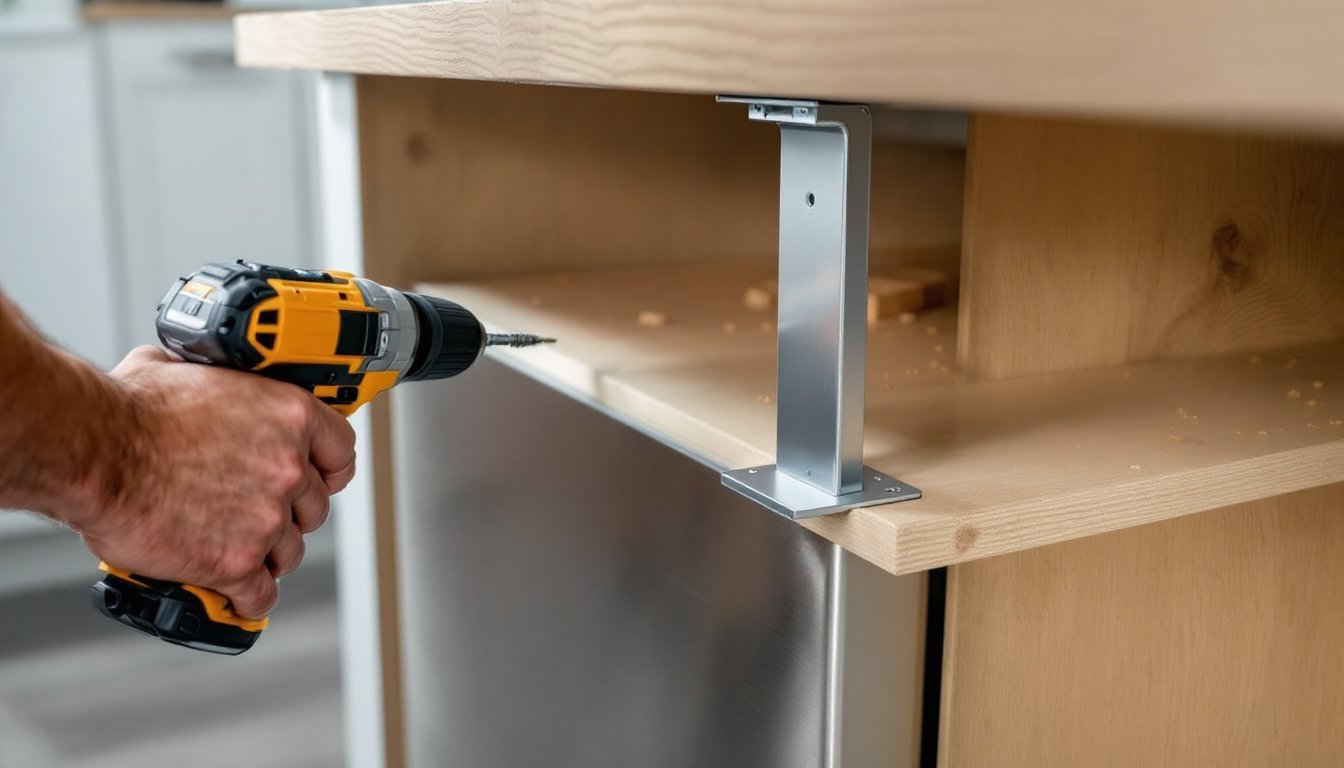
Once in place, adjust the leveling legs at the front corners until the unit sits flush with the countertop. Use a torpedo level on the top edge. An unlevel dishwasher won’t drain properly and can leak. Secure the unit to the underside of the counter with the provided mounting brackets, this prevents tipping when you pull out the loaded racks.
Maintenance Tips to Extend Your Dishwasher’s Lifespan
A little routine maintenance keeps a GE Profile running smoothly for 10+ years.
Clean the Filter Monthly
The filter assembly sits in the bottom of the tub, usually under the lower spray arm. Twist it counterclockwise to remove, rinse under hot water, and scrub with a soft brush to remove trapped food particles. A clogged filter reduces wash performance and can cause drainage issues. Do this monthly if you run the dishwasher daily.
Wipe Down the Door Gasket
The rubber seal around the door traps crumbs and moisture. Wipe it with a damp cloth every few weeks to prevent mold and odor buildup. If you notice black spots, clean with a mix of 1 part white vinegar to 1 part water, avoid bleach, which can degrade rubber.
Run a Cleaning Cycle Quarterly
Even with regular filter cleaning, mineral deposits and grease build up inside. Every three months, run an empty cycle with a dishwasher cleaner (like Affresh or Glisten) or place a cup of white vinegar on the top rack and run a hot cycle. This dissolves lime scale and keeps spray arms clear.
Check and Clean Spray Arms
Food particles and mineral deposits can clog the small jets in the spray arms. Remove them (they usually twist or clip off) and rinse under running water. Use a toothpick to clear any blocked holes. Dishwasher cleaning labs recommend this step annually.
Inspect the Water Inlet Screen
Where the water supply line connects to the dishwasher, there’s a small mesh screen that filters sediment. If water pressure seems low or cycles take longer, unscrew the supply line and check the screen, gently clean it with an old toothbrush if clogged.
Keep Rinse Aid Filled
Rinse aid isn’t optional, especially if you have hard water. It prevents water spots and helps dishes dry faster. Refill when the indicator light comes on, most reservoirs hold enough for about a month.
Common Issues and Troubleshooting Solutions
Even reliable machines have hiccups. Here’s how to diagnose common problems before calling service.
Dishes Come Out Wet
Likely causes: Empty rinse aid reservoir, plastic items blocking the vent, or Dry Boost not selected. Refill rinse aid, rearrange items so they don’t cover the vent (usually on the inner door), and enable heated dry options. If the heating element is faulty, you’ll need a tech, testing it requires a multimeter.
Poor Cleaning Performance
Check: Clogged filter, blocked spray arm jets, or improper loading. Remove and clean the filter, inspect spray arms for clogs, and make sure large items aren’t blocking water flow. Also verify you’re using fresh detergent, pods and powder lose effectiveness after about a year.
Won’t Drain / Standing Water
First, check the filter and drain area for debris. Next, inspect the drain hose for kinks or clogs. If the garbage disposal is new, make sure the knockout plug was removed from the disposal inlet, this is a common oversight that blocks drainage. If the drain pump is buzzing but not pumping, it may be jammed or failed.
Error Codes on Display
GE Profile models display alphanumeric codes when faults occur. Common ones:
- C6 or C7 – Water temperature issue (check your water heater)
- FTD – Vent problem (inspect the UltraFresh vent for blockages)
- PF – Power failure during cycle (just restart)
Consult the owner’s manual or the GE Appliances app for code definitions. The app can also run diagnostics and suggest fixes.
Noisy Operation
If you hear grinding, the wash impeller or chopper blade might have debris lodged in it. Remove the spray arms and filter, inspect the pump area. Rattling usually means a dish is loose or the rack isn’t seated properly. Squealing points to a worn wash motor bearing, that’s a service call.
Leaks
Small puddles under the door often trace to an unlevel dishwasher or a worn door gasket. Check levelness first. If the gasket is cracked or deformed, order a replacement, it’s a $20–$40 part and a DIY-friendly fix. Leaks from underneath suggest a loose hose clamp or cracked drain line, shut off water and inspect connections.
Conclusion
GE Profile dishwashers deliver solid mid-range performance with features that used to be premium-only: quiet operation, flexible racks, smart connectivity, and effective odor control. They’re a practical choice for homeowners who want reliability without overpaying for brand prestige. Proper installation and regular maintenance, filter cleaning, rinse aid refills, and occasional descaling, will keep these machines running efficiently for a decade or more. Whether you’re tackling a full kitchen remodel or just swapping out an aging unit, a GE Profile offers enough features and build quality to handle daily use without complaint.