Table of Contents
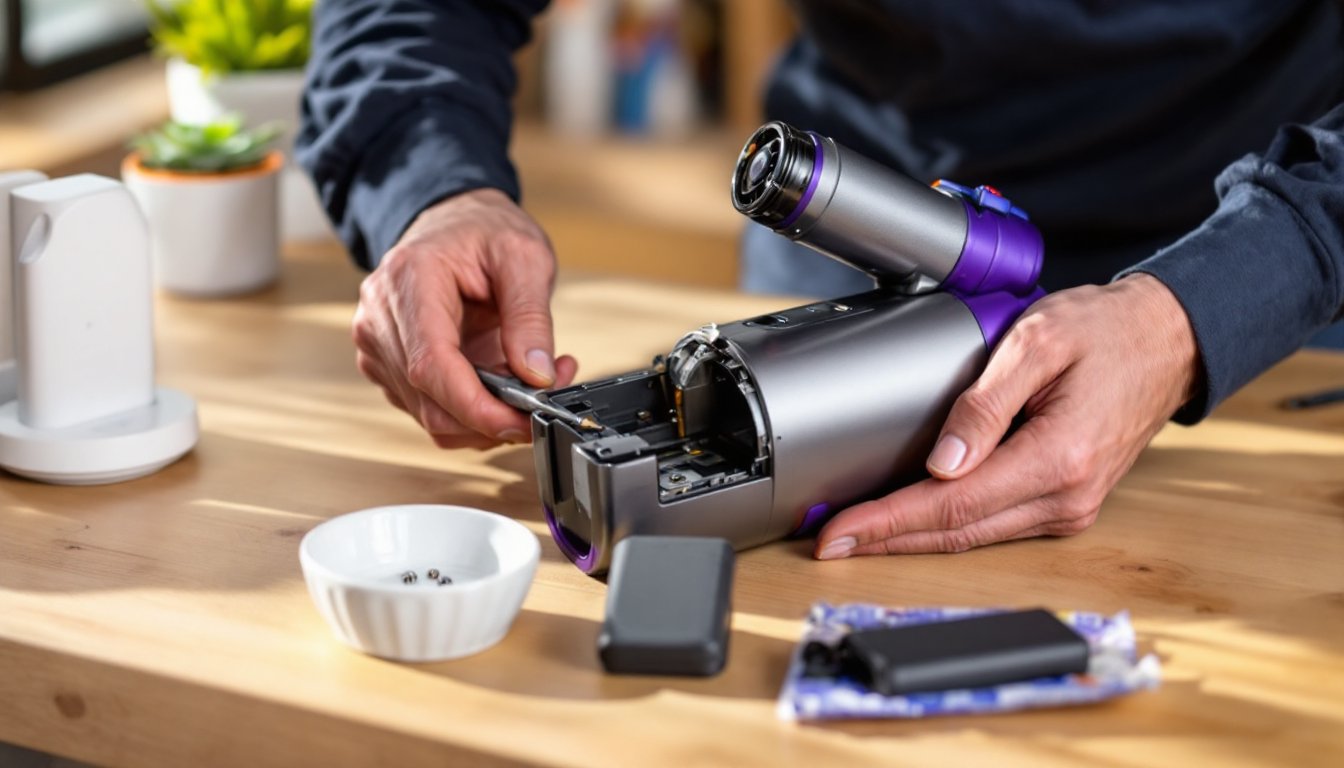
ToggleWorkshop sawdust, kitchen crumbs, pet hair on the stairs, sometimes dragging out the full-size vacuum feels like overkill. A cordless handheld vacuum handles quick cleanups without the hassle of cords or lugging heavy equipment. Whether you’re tackling car interiors, upholstery, or tight corners your regular vacuum can’t reach, the right handheld can save time and frustration. But with dozens of models flooding the market, choosing one that actually performs, rather than just looking sleek in marketing photos, requires knowing what separates a solid tool from a dust-collecting paperweight.
Key Takeaways
- A best cordless handheld vacuum is designed for quick cleanups and tight spaces rather than whole-house cleaning, making it a complementary tool to your primary vacuum.
- Suction power should be measured in air watts (AW)—aim for 20-30 AW for general use, 40+ AW for pet hair and workshop debris, and ignore vague marketing claims without specifications.
- Battery runtime typically ranges from 15-40 minutes depending on power mode, so choosing the right cordless handheld vacuum depends on your cleaning frequency and task duration.
- Weight matters significantly: handhelds under 3 pounds reduce arm fatigue during overhead or awkward-angle cleaning, while center-of-gravity design affects handling ease.
- The Dyson V8 Handheld leads in performance at 115 AW, the Black+Decker AdvancedClean+ offers budget-friendly reliability for occasional use, and the Bissell Pet Hair Eraser specializes in embedded fur removal with motorized rubber tools.
- Ensure your chosen model includes essential attachments like crevice tools, adequate dustbin capacity (0.4-0.7 liters depending on usage), and washable filters to maintain long-term performance.
Why Every Homeowner Needs a Cordless Handheld Vacuum
A cordless handheld vacuum isn’t a replacement for your primary vacuum, it’s a specialized tool for jobs where portability and speed matter more than deep-pile carpet cleaning. Think of it like a utility knife versus a circular saw: both cut, but each excels in different scenarios.
Handhelds shine in high-traffic spots that collect debris daily. Entryways, kitchen counters, window sills, and baseboards stay cleaner when you can grab a lightweight unit and knock out the mess in under a minute. They’re also essential for vertical surfaces and tight spaces: car seats, stairs, upholstery, and the gap between appliances where cereal seems to migrate.
For pet owners, a best handheld cordless vacuum cleaner designed for hair pickup becomes a daily driver. Shedding seasons turn couches into fur magnets, and a handheld with a motorized brush head cuts cleanup time significantly. Similarly, DIYers working with drywall dust, sawdust, or joint compound appreciate a tool that can handle fine particles without clogging immediately.
The cordless aspect removes the single biggest friction point: plugging in, unplugging, and managing cord length. Battery-powered units let you move from room to room or out to the garage without hunting for outlets. Modern lithium-ion batteries deliver consistent suction until nearly depleted, unlike older nickel-cadmium cells that faded gradually.
That said, cordless handhelds have limits. Battery life typically ranges from 15 to 40 minutes depending on power mode, so they’re not suited for whole-house cleaning sessions. Dustbin capacity is small, usually 0.3 to 0.7 liters, meaning frequent emptying during big jobs. And suction power, while improving yearly, still trails corded models and full-size stick vacuums.
What to Look for When Choosing a Cordless Handheld Vacuum
Choosing the best cordless hand vacuum comes down to matching features to your specific cleaning tasks. Here’s what actually matters, and what’s just marketing noise.
Suction Power and Airflow
Manufacturers love quoting wattage or “air watts,” but those numbers can mislead. What you want is consistent suction measured in air watts (AW) or pascals (Pa). For general household use, look for at least 20-30 AW. Pet hair and workshop debris demand 40+ AW. Ignore vague claims like “powerful cyclonic action” without numbers to back them up.
Airflow design matters too. Cyclonic systems separate dust from air to maintain suction as the bin fills, while single-stage units lose power quickly. Check whether the filter requires frequent cleaning, clogged filters kill performance faster than a weak motor.
Battery Runtime and Charge Time
Lithium-ion batteries are standard now, but capacity varies. A 2000-2500 mAh battery typically delivers 20-30 minutes on standard mode, dropping to 10-15 minutes on max power. Some models offer removable batteries, which is handy if you need extended runtime or want a backup.
Charge time ranges from 2 to 5 hours. If you forget to dock the unit regularly, this becomes annoying fast. A few premium models include fast-charge circuits that deliver usable power in under an hour.
Weight and Ergonomics
Handhelds weigh between 1.5 and 4 pounds. Anything over 3 pounds gets tiring when cleaning overhead (ceiling fans, light fixtures) or holding at awkward angles. Test the grip if possible, hard plastic handles dig into palms during extended use, while rubberized grips reduce fatigue.
Center-of-gravity placement affects handling. Motor-forward designs feel nose-heavy: rear-weighted units balance better but can be harder to maneuver into tight spots.
Dustbin Capacity and Emptying Mechanism
Smaller bins mean more trips to the trash, but oversized bins add weight. For quick pickups, 0.4-0.5 liters works fine. Pet owners and workshop users should target 0.6+ liters.
Emptying mechanisms separate the good from the frustrating. Bottom-release bins drop debris with one button press but sometimes leave residue clinging inside. Top-opening bins let you scrape out stubborn dust but require more manual contact. Avoid models with fiddly latches or bins that pop open mid-cleaning.
Attachments and Accessories
A basic crevice tool and dusting brush handle most jobs. Pet owners need a motorized brush roll or upholstery tool with rubber nubs to lift embedded hair. Some units include extension wands (typically 6-12 inches) for reaching under furniture or into car footwells.
Attachment storage matters. Loose pieces get lost: models with onboard storage or docking stations that hold accessories stay organized better.
Filtration
HEPA filtration traps 99.97% of particles down to 0.3 microns, useful if allergies or fine dust (like drywall) are concerns. Washable filters save money over replaceable ones, but require regular cleaning to maintain airflow. Some models use foam pre-filters that catch larger debris before it reaches the HEPA element.
Build Quality and Warranty
Plastic housings are standard, but thickness and assembly quality vary. Cheap units develop rattles or cracked seams after a few months. Check reviews for mentions of durability, especially around the battery compartment and hinge points.
Warranties range from 1 to 3 years. Premium brands sometimes offer battery replacement programs, since cells degrade over time regardless of use.
Top Cordless Handheld Vacuums for 2026
Best Overall Performance
The Dyson V8 Handheld (adapted from the stick vacuum) delivers the strongest suction in the handheld category at 115 AW, thanks to its digital motor spinning at 110,000 RPM. It’s heavier than dedicated handhelds at 3.8 pounds, but the motorized brush bar lifts pet hair from upholstery that other units just push around. Battery runtime hits 40 minutes on eco mode, dropping to 7 minutes on boost, enough for quick messes but not whole-room cleaning.
The cyclonic system and washable filter maintain consistent power, and the 0.54-liter bin handles multiple cleanups before emptying. Bottom-release is clean but occasionally leaves fine dust behind. It includes a combination tool, crevice nozzle, and mini motorized head.
Downside: price. At $300-$350, it’s double most competitors. Weight also tires arms during overhead work. But for homeowners who want the best handheld cordless vacuum performance without compromise, it’s the benchmark.
Best Budget-Friendly Option
The Black+Decker dustbuster AdvancedClean+ CHV1410L proves you don’t need $300 to get solid performance. At $60-$80, it offers 16V suction (roughly 25 AW equivalent) and a 0.7-liter dustbin, larger than many premium models. The translucent bin lets you see fill level at a glance, and the bottom-release mechanism works reliably.
Battery life runs 10-15 minutes, adequate for quick pickups but limiting for extended jobs. The included crevice tool and flip-up brush cover basic tasks, though it lacks a motorized head for embedded pet hair. Weighing just 2.6 pounds, it’s comfortable for one-handed use.
Build quality is decent for the price, plastic housing feels thin but holds up under normal use. The washable filter requires cleaning every few uses to maintain suction. Black+Decker backs it with a 2-year warranty.
This is the best cordless hand held vacuum for occasional users who need something reliable in the closet for spills and crumbs without investing in flagship models. It won’t impress on deep cleaning, but it handles 90% of handheld vacuum tasks competently.
Best for Pet Hair and Upholstery
The Bissell Pet Hair Eraser Lithium Ion 2390A targets a specific pain point: embedded pet hair on fabric. The motorized rubber nub tool grabs fur that standard suction can’t budge, and the contoured nozzle fits couch cushion seams where hair accumulates.
Suction measures around 30 AW, not class-leading, but the rubber tools compensate. According to expert lab testing, specialized pet tools often outperform raw suction on fabric. The triple-level filtration system captures dander and allergens, though the filter isn’t HEPA-certified.
Battery runtime reaches 17 minutes, and the lithium-ion cell maintains consistent power until nearly dead. The 0.7-liter dirt cup is generous, with a slide-out tray that catches hair before it reaches the filter, a clever design that reduces filter clogging.
Weight sits at 3 pounds, balanced well enough for extended upholstery work. The included crevice tool and upholstery nozzle store on the charging base. Bissell offers a 2-year warranty and has a solid reputation for pet-focused products.
At $130-$150, it’s mid-priced but worth it for multi-pet households. Homeowners dealing with shedding seasons will appreciate the time saved versus manual lint rollers or dragging out a full-size vacuum.
Conclusion
The best cordless handheld vacuum for your home depends on what you’re cleaning most often. If performance matters above all and budget isn’t tight, the Dyson V8 Handheld delivers professional-grade suction. For everyday crumbs and quick cleanups without spending heavily, the Black+Decker AdvancedClean+ handles the basics reliably. And pet owners fighting fur will find the Bissell Pet Hair Eraser’s motorized rubber tools worth the mid-range investment. Match the tool to the task, and you’ll wonder how you managed without one.