Table of Contents
ToggleGetting the bathroom vanity height right is one of those things you don’t think about until you’re hunched over the sink every morning or your kids can’t reach the faucet without a step stool. The standard height of bathroom vanity has evolved over the years, and what worked when your house was built in 1982 might not be the best choice for your family today. Whether you’re replacing an old vanity, planning a full bathroom remodel, or building from scratch, understanding vanity height options will save you from daily discomfort and costly do-overs. This guide breaks down the standards, modern alternatives, and how to pick the right height for your specific situation.
Key Takeaways
- Standard bathroom vanity height ranges from 30–32 inches, while comfort height at 36 inches has become the modern preference in new construction to reduce back strain for adults.
- Bathroom vanity height should be chosen based on primary users’ needs—ideally 2 to 4 inches below bent elbows—and account for accessibility requirements like ADA compliance for wheelchair access.
- The final vanity height includes cabinet depth plus countertop and sink materials, which can add 4–7+ inches; always calculate total height before ordering to avoid costly mistakes.
- You can adjust vanity height during installation by building platforms to raise units or using adjustable legs, but significant changes require careful planning for plumbing, mirrors, and lighting.
- Test different vanity heights in person at showrooms, avoid mixing heights in double vanities, and prioritize your daily comfort over resale appeal when making your final decision.
Standard Bathroom Vanity Height Explained
The standard bathroom vanity height sits at 30 to 32 inches from floor to countertop. This measurement became the norm decades ago when bathroom fixtures were designed to match kitchen cabinet heights, which were built to accommodate the average height of users in the mid-20th century, when people were generally shorter than today.
You’ll find this bathroom vanity height standard in most older homes and many budget-friendly pre-fabricated vanities still sold at big-box stores. The height of bathroom vanity at this range works well for children and shorter adults, making it a practical choice for family bathrooms or powder rooms where kids are primary users.
The measurement is taken from the finished floor (not the subfloor) to the top of the countertop. If you’re working with tile or thick flooring material, account for that thickness when ordering or building. A vanity listed at 32 inches will sit higher once you add 3/4-inch tile plus thinset and grout.
Most stock vanities in this height range come in widths from 24 to 72 inches, with depths between 18 and 21 inches. They’re readily available, affordable, and easy to install as a direct replacement if you’re swapping out an old unit without changing plumbing rough-ins.
Comfort Height Vanities: The Modern Standard
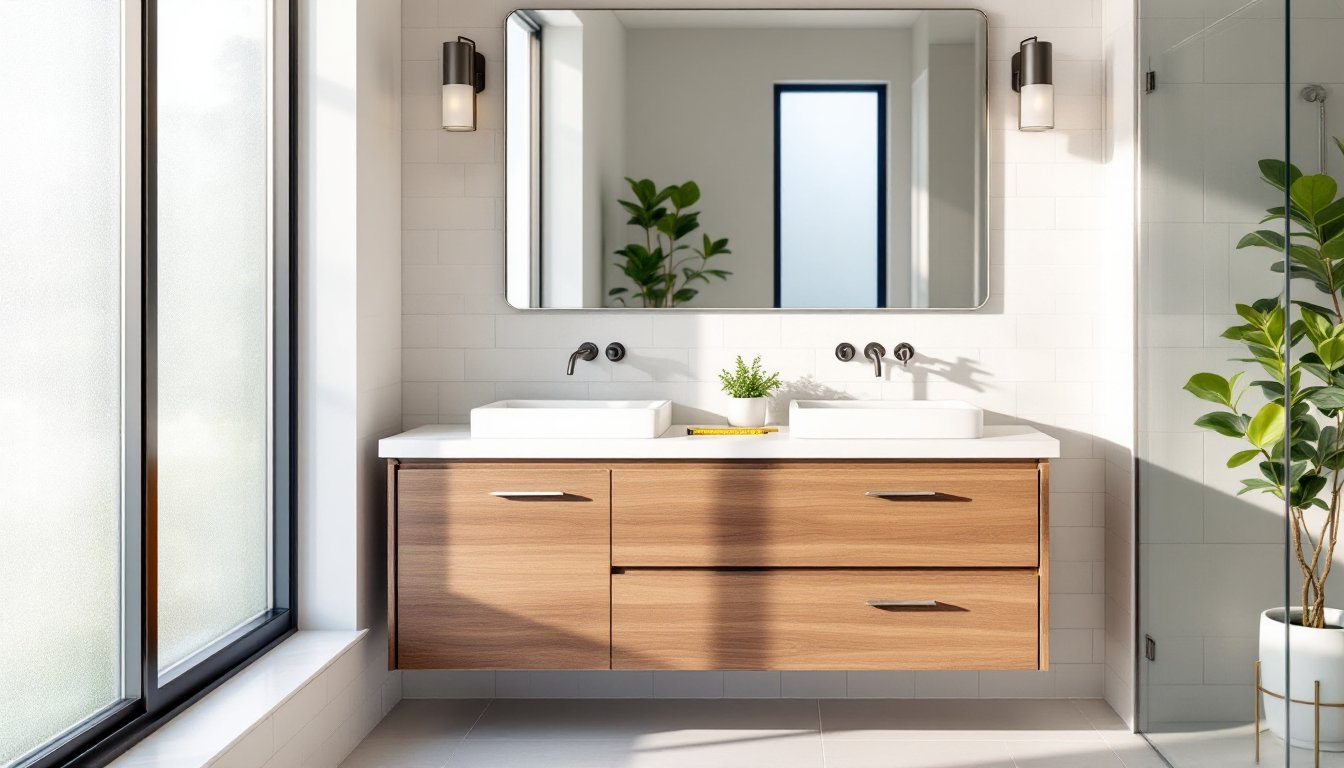
Comfort height bathroom vanity units measure 36 inches from the floor to the countertop, matching the standard height of kitchen counters. This has become the preferred option in new construction and remodels over the past 15 years, especially in primary bathrooms and adult-only spaces.
The term “comfort height” comes from the fact that this bathroom vanity height from floor reduces the amount of bending required for most adults. Taller users, anyone over 5’8″, will find this height significantly more ergonomic for tasks like brushing teeth, washing hands, and applying makeup. The typical bathroom vanity height in modern homes now leans toward this 36-inch standard.
Some manufacturers and designers push the envelope even further with vanities at 38 to 40 inches, particularly in custom builds or luxury bathrooms. While less common, these work well for very tall homeowners or when pairing with vessel sinks (which add several inches to the effective height).
Keep in mind that the standard vanity height bathroom isn’t just about the cabinet. If you’re planning to mount a vessel sink on top of a 36-inch vanity, you could end up with a rim height of 40+ inches, awkward for most people and nearly unusable for kids. For homes prioritizing accessibility and universal design, a comfort height vanity strikes a good balance without going into custom territory.
How to Choose the Right Vanity Height for Your Household
User Height and Comfort Considerations
The right vanity height depends heavily on who’s using the bathroom daily. Have the primary users stand with their elbows bent at 90 degrees, the countertop should ideally sit 2 to 4 inches below their elbows. This position minimizes strain on the back and shoulders during routine tasks.
For shared bathrooms, compromise is key. If you’re 6’2″ and your partner is 5’4″, a 34-inch vanity splits the difference better than sticking with either extreme. In multi-generational households, consider a dual-height setup if space and budget allow, one vanity at comfort height for adults and another at standard height for kids or a seated user.
Don’t forget about users with mobility challenges. The ADA (Americans with Disabilities Act) recommends vanities no higher than 34 inches with knee clearance underneath for wheelchair access. If someone in your household uses a wheelchair or may in the future, plan accordingly now rather than retrofitting later.
Test before you commit. If possible, visit a showroom and actually stand in front of vanities at different heights. Bend over as if washing your face. Reach for an imaginary faucet. That five-minute test can save years of daily annoyance.
Bathroom Type and Purpose
The function of the bathroom should drive your height decision as much as user preference. A powder room or guest bath used mostly by visitors benefits from a standard 32-inch height, it accommodates the widest range of users and feels familiar to guests.
Kids’ bathrooms are prime candidates for the 30 to 32-inch range. Even if your kids are small now, they’ll grow into it. Installing a comfort height vanity in a children’s bathroom just means years of step stools and splashed water.
Primary bathrooms are where comfort height shines. These are adult spaces used multiple times daily, often for grooming tasks that involve leaning over the sink. Investing in ergonomic height here pays dividends in reduced back strain. Many designers treat the primary bath vanity as furniture rather than a purely utilitarian fixture, which supports the shift toward taller, more substantial pieces.
Jack-and-Jill bathrooms shared between kids’ rooms and occasional guest use work well at the standard height initially, with the understanding you might replace the vanity as the kids age. Alternatively, start at 34 inches as a middle ground.
Adjusting Vanity Height During Installation
You’re not locked into the exact height a vanity ships at. With some basic carpentry, you can adjust the final installation height to suit your needs.
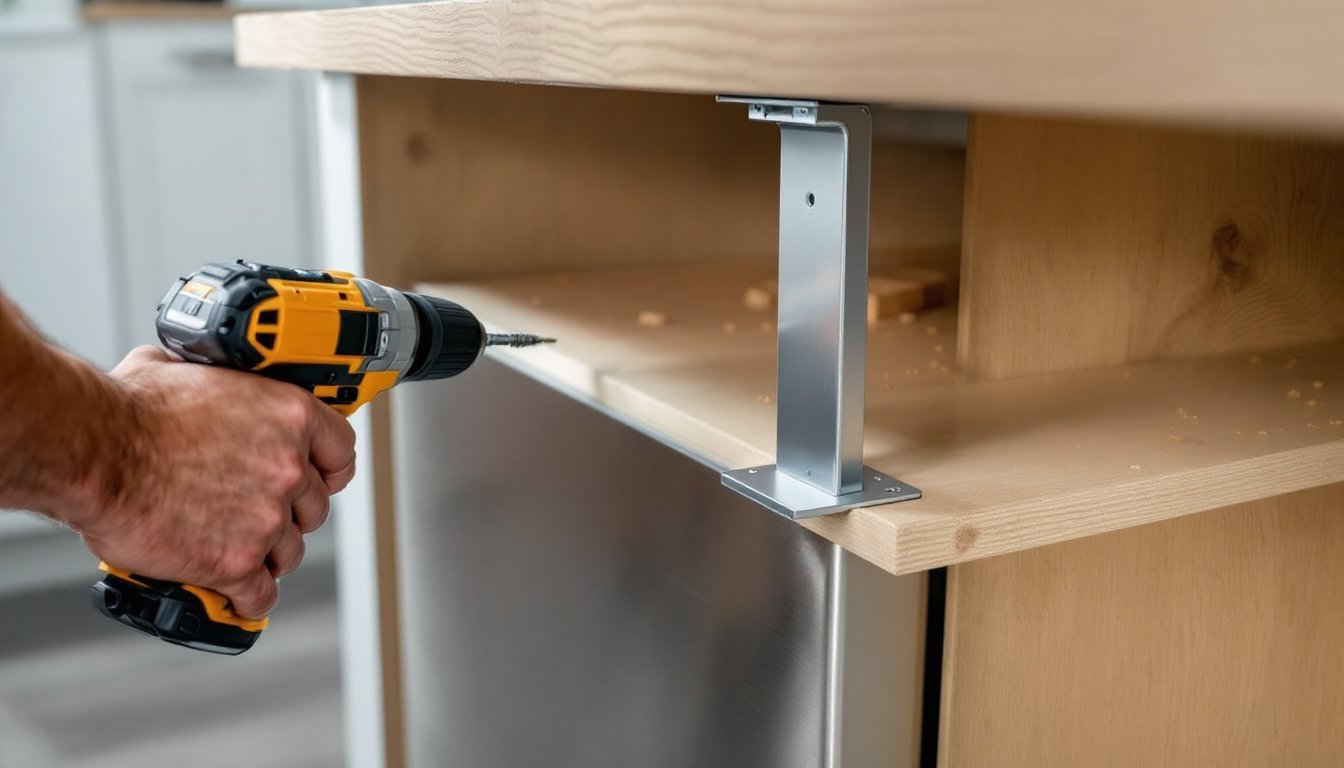
Raising a vanity: Build a platform frame from 2×4 or 2×6 lumber (actual dimensions 1.5″ x 3.5″ or 1.5″ x 5.5″) to lift the vanity. Secure the frame to the floor joists or subfloor with construction screws, check for level in both directions, then set the vanity on top. This works especially well on concrete slab foundations where cutting into the floor isn’t an option. You can wrap the platform with trim or tile to match the vanity or surrounding floor.
Make sure your P-trap and supply lines have enough play to accommodate the height change. You may need to adjust the drain stub-out or add flexible supply lines. If you’re raising the vanity more than 3 inches, the mirror and light fixtures will likely need to move up as well to maintain proper proportions.
Lowering a vanity: This is trickier. Most vanities have adjustable legs or a toekick area you can modify, but you’re limited to an inch or two of adjustment. Cutting down the cabinet sides is possible but risks voiding warranties and requires solid woodworking skills, you’ll need to relocate mounting hardware and possibly rebuild the toekick.
A better approach if you need significant height reduction: buy an unfinished or semi-custom vanity and have it built to your spec, or work with a local cabinetmaker. The upcharge is usually worth it compared to hacking up a finished piece.
Safety note: Any time you’re adjusting height, verify that your shut-off valves, P-trap, and drain connections remain accessible per code. Most jurisdictions require shut-offs to be reachable without tools. Wear safety glasses when cutting lumber and gloves when handling rough-cut edges.
Common Vanity Height Mistakes to Avoid
Forgetting about the countertop thickness. That 36-inch vanity spec usually refers to the cabinet box, not the finished height with a countertop. Granite, quartz, and concrete tops typically add 1.5 to 2 inches. Vessel sinks add another 4 to 7 inches of effective height. Always calculate the final height including all materials before ordering.
Ignoring mirror and light placement. The bottom of your mirror should sit roughly 4 to 6 inches above the countertop. If you raise the vanity height but leave the mirror where it was, you’ll be staring at your chest. Light fixtures, especially sconces, need to be repositioned to illuminate faces rather than foreheads. Plan these adjustments into your project timeline and budget.
Mixing heights in a double vanity. Unless you’re intentionally building a his-and-hers custom setup, keep both sinks at the same height. Mismatched heights look like a mistake, hurt resale value, and create a weird visual imbalance. If you need different heights for accessibility, go all-in on the design so it reads as intentional.
Not accounting for flooring changes. If you’re replacing tile with luxury vinyl plank (LVP) or vice versa during a remodel, the new floor thickness will shift your vanity height. Pull the old flooring in the vanity area before measuring for your new unit, or account for the difference in your platform or leg adjustments.
Skipping the mock-up. It takes 15 minutes to stack some scrap plywood or boxes to the proposed vanity height and actually stand there, mimicking your morning routine. That’s 15 minutes well spent compared to living with the wrong height for years. According to seasoned renovation pros, this simple step prevents more regrets than almost any other part of bathroom planning.
Choosing vanity height based on resale alone. Yes, a 36-inch comfort height vanity appeals to most buyers, but if you’re planning to live in the home for a decade, prioritize your own comfort. The “perfect” resale bathroom is a myth, buyers care more about condition and style than whether your vanity is 32 or 36 inches. Build for your life, not a hypothetical future buyer’s preferences.