Table of Contents
ToggleBosch has earned a reputation for building some of the most reliable, quiet, and energy-efficient laundry appliances on the market. Whether you’re tackling a laundry room remodel or replacing worn-out machines, a Bosch washer dryer offers German engineering with features that make laundry day less of a chore. This guide walks through what sets these machines apart, which models fit different spaces and budgets, and what you need to know about installation and upkeep. If you’re ready to upgrade your laundry setup, you’ll find the details here, no fluff, just the facts that matter for a successful project.
Key Takeaways
- A Bosch washer dryer uses ENERGY STAR certified technology with anti-vibration features and brushless motors that operate under 48 decibels, delivering durability and lower utility bills.
- All-in-one combo units fit tight spaces at 24 inches wide and cost $1,400–$1,800, while stackable sets range from $2,200–$4,200 and offer larger capacity with ventless heat pump drying options.
- Bosch front-load washers consume about 13 gallons per cycle—roughly half of older top-loaders—and include fabric-care technology like ActiveWater and AllergyPlus cycles.
- Installation requires checking electrical capacity (combos use 120V, standalone dryers need 240V/30A), confirming proper drain heights (18–96 inches), and verifying door clearance before purchase.
- Routine maintenance including monthly self-clean cycles, quarterly drain pump filter cleaning, and annual hose inspections can extend your Bosch washer dryer’s lifespan to 10–15 years.
What Makes Bosch Washer Dryer Combos Stand Out
Bosch washer and dryer units are engineered for durability and efficiency, which translates to lower utility bills and fewer service calls. Most models are ENERGY STAR certified, meaning they meet strict EPA guidelines for energy and water use. A typical Bosch front load washer uses around 13 gallons per cycle, about half what older top-loaders consume.
Noise levels are another major advantage. Bosch machines incorporate anti-vibration technology and brushless motors, keeping operation under 48 decibels during the wash cycle. That’s quieter than a normal conversation, which matters if your laundry room shares a wall with bedrooms or living spaces.
The EcoSilence Drive motor is a standout feature across the lineup. It eliminates carbon brushes, reducing friction and wear while delivering consistent torque. This design extends motor life and cuts energy consumption by up to 10% compared to conventional motors.
Bosch washer dryer machines also prioritize fabric care. Features like ActiveWater technology adjust water intake based on load size, while the AllergyPlus cycle uses high temperatures to remove allergens, helpful for households with asthma or sensitive skin. Ventless heat pump dryers recycle warm air instead of venting it outside, which conserves energy and simplifies installation in apartments or condos without exterior vent access.
Capacity ranges from 2.2 cubic feet for compact all-in-one units up to 5.0 cubic feet for full-size stackable models. If you’re washing king-size comforters or large batches of towels, the larger capacity saves time and reduces the number of loads.
Top Bosch Washer Dryer Models for Your Home
Compact All-in-One Units for Small Spaces
For tight laundry closets, condos, or multi-family units, Bosch washer dryer combo units integrate washing and drying in a single 24-inch cabinet. The Bosch 500 Series WTG86400UC is a popular choice, offering a 2.2 cu. ft. capacity with 15 wash programs and ventless condensation drying. It fits under standard countertops (33.5 inches tall) and requires only a 120V outlet and cold water supply, no need for a 240V dryer circuit or exterior vent.
Be aware that all-in-one combos have longer cycle times than separate units. A full wash-and-dry cycle can take three to five hours, depending on load size and fabric type. That’s fine if you run loads overnight, but it’s not ideal for households doing multiple loads daily.
The ventless drying process uses condensation: humid air passes through a heat exchanger, moisture condenses into a drain pan, and cool air recirculates. It’s gentler on fabrics than traditional vented dryers, but drying times are slower. Expect about 2.5 hours for a full dry cycle.
Pricing for Bosch all-in-one combos typically ranges from $1,400 to $1,800, depending on retailer and current promotions. That’s a mid-range investment compared to premium brands, but the longevity and efficiency often justify the upfront cost.
Stackable Washer Dryer Sets
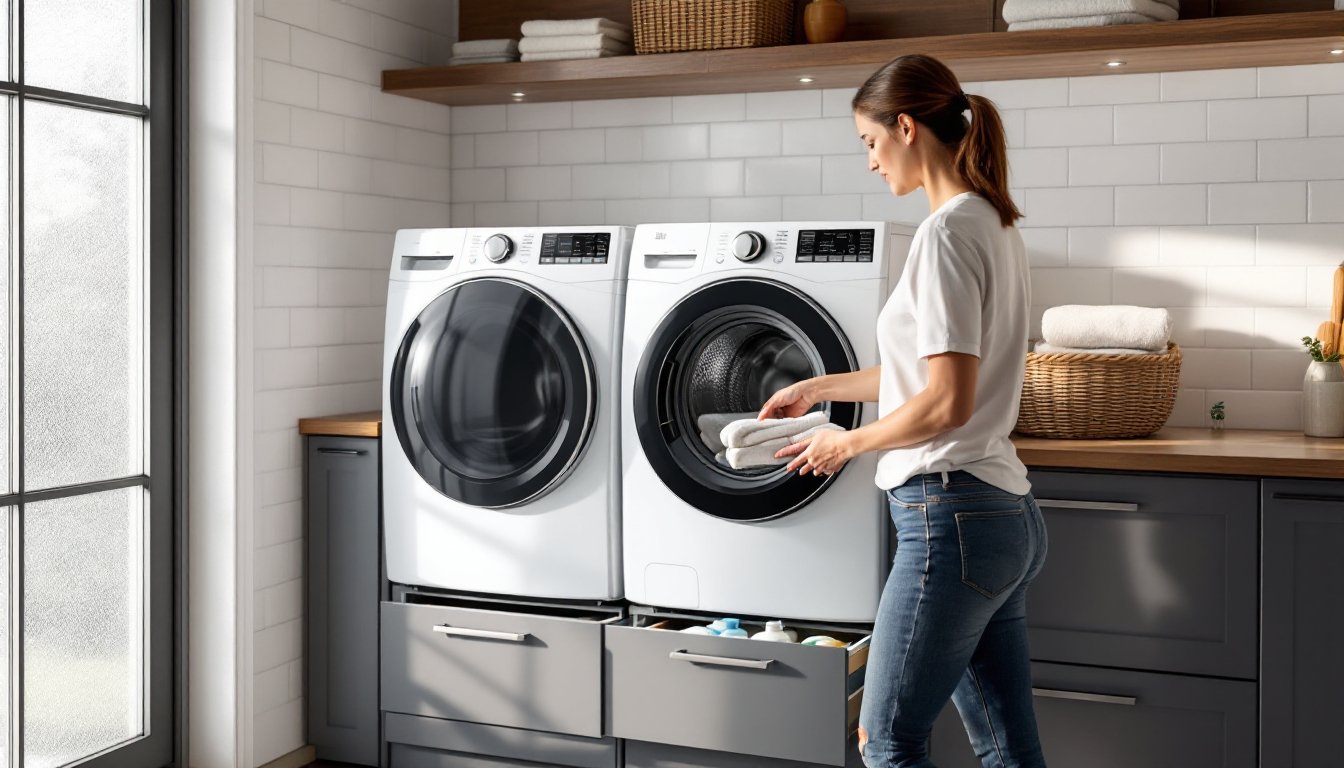
If you have vertical space but limited floor area, a Bosch washer and dryer set in a stackable configuration maximizes your laundry room footprint. The Bosch 800 Series WAW285H2UC washer paired with the WTG86402UC heat pump dryer is a high-performance option. The washer offers a 2.2 cu. ft. drum with SpeedPerfect technology, which cuts wash time by up to 40% without sacrificing cleaning power.
The heat pump dryer in this set is ventless, so you won’t need to run 4-inch rigid ductwork through walls or ceilings. That simplifies installation and gives you flexibility in placement, anywhere with a drain and power is fair game. Heat pump dryers operate at lower temperatures than conventional electric dryers, reducing wear on fabrics and lowering energy use by up to 50%.
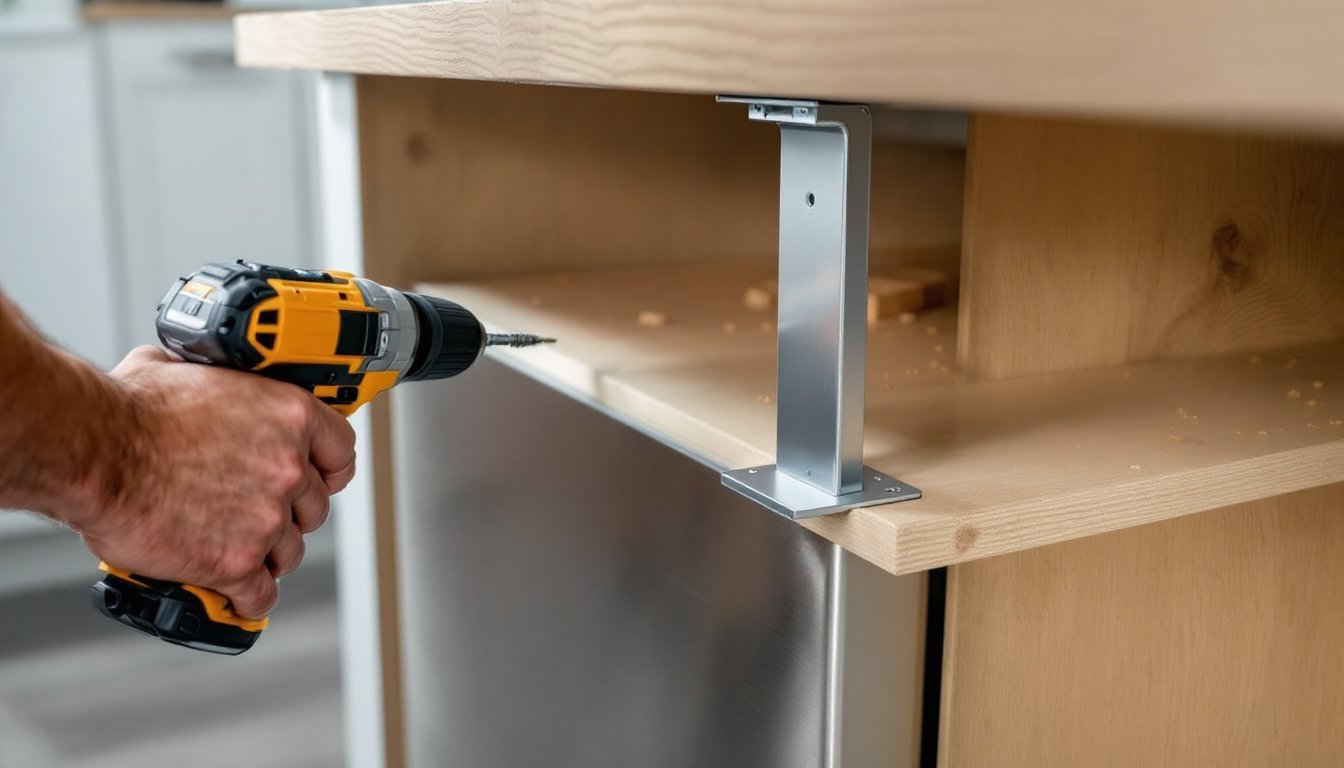
Bosch offers a stacking kit (WTZ20410) designed for secure mounting of compatible dryer models on top of the washer. The kit includes brackets and anti-slip pads. Installation is straightforward: remove the washer’s top panel (usually four screws), attach the bracket to the washer cabinet, and secure the dryer with the included hardware. Make sure the floor is level before stacking, an unlevel base can cause vibration and premature bearing wear.
For larger households, the Bosch front load washer and dryer in the 500 Series (WAT28400UC washer and WTG86400UC dryer) offers a solid middle ground. The washer has a 2.2 cu. ft. capacity and 15 wash cycles, including a Sanitize option that meets NSF standards for bacteria reduction. The matching dryer uses AutoDry sensors to prevent over-drying, which saves energy and extends fabric life.
Bosch washer dryer price for stackable sets generally falls between $2,200 and $3,000 for mid-tier models, with premium 800 Series sets reaching $3,500 to $4,200. Pricing varies by region and seasonal sales, so it pays to shop around or wait for holiday promotions.
Installation Considerations for Homeowners
Installing a Bosch washer dryer requires careful planning, especially if you’re upgrading from older machines or reconfiguring your laundry space. Start by measuring the installation area: width, depth, and height. Bosch front-loaders are typically 24 inches wide, 33 to 34 inches deep (add 4 inches for hoses and connections), and 33.5 to 34 inches tall. If you’re stacking, add the dryer height plus the stacking kit (total height around 70 inches).
Check door swing clearance. Front-load washers need enough space to fully open the door, usually 90 to 120 degrees. If your laundry closet has a narrow opening, reversible door hinges are available on some Bosch models, but not all. Confirm this detail before purchase.
Electrical requirements depend on whether you’re using an all-in-one combo or separate washer and dryer. Combos typically run on 120V/15A circuits, while standalone electric dryers require a 240V/30A circuit with a NEMA 14-30 or 10-30 receptacle. If your home doesn’t have the right outlet, hire a licensed electrician to install one. DIY electrical work on 240V circuits is risky and often against local code without a permit.
Plumbing connections are straightforward. Bosch washers use standard 3/4-inch hose fittings for hot and cold water (many models are cold-fill only to save energy). Install quarter-turn shutoff valves on the supply lines for easy maintenance. The drain hose connects to a standpipe or laundry sink with a minimum 18-inch height and maximum 96-inch height above the floor, check your unit’s manual for exact specs.
Ventless dryers eliminate the need for exterior ducting, but they still produce moisture. Most Bosch heat pump dryers drain condensation through a drain hose routed to a standpipe, floor drain, or laundry sink. Make sure the drain can handle continuous flow during the dry cycle. Some installations benefit from a dedicated trap to prevent sewer gases from backing up.
If you’re installing in a basement or second floor, consider vibration isolation pads under the washer. Bosch machines are already quiet, but foam or rubber pads can further reduce floor transmission, especially on wood joist floors.
Permits are rarely required for appliance replacement, but if you’re adding new electrical circuits or modifying plumbing drain lines, check with your local building department. DIY plumbing projects often fall under homeowner-friendly codes, but 240V electrical work almost always requires a licensed pro.
Delivery and haul-away services are worth considering. Bosch washers and dryers weigh between 150 and 200 pounds each. If you’re working solo, rent an appliance dolly with straps. Most retailers offer installation services for $100 to $300, which includes hookup, leveling, and testing.
Maintenance Tips to Extend Your Bosch Unit’s Lifespan
Routine maintenance keeps a Bosch washer dryer running efficiently and prevents costly repairs. Start with the door gasket on front-load washers. After each cycle, wipe down the rubber seal to remove detergent residue and moisture. Leaving the door ajar between loads lets air circulate and reduces mildew growth. Cleaning routines for appliances often recommend a monthly wipe-down with a 1:1 vinegar-water solution.
Run a maintenance wash once a month. Bosch washers include a self-clean cycle that runs at high temperature (usually 194°F) to flush out detergent buildup, bacteria, and odors. Run this cycle empty with no detergent. If your model lacks a dedicated self-clean option, run the hottest wash cycle with two cups of white vinegar.
Clean the detergent dispenser drawer monthly. Pull it straight out (most Bosch models have a release tab), rinse under warm water, and scrub with a soft brush to remove caked-on detergent or fabric softener. Buildup in the dispenser can clog rinse ports and affect wash performance.
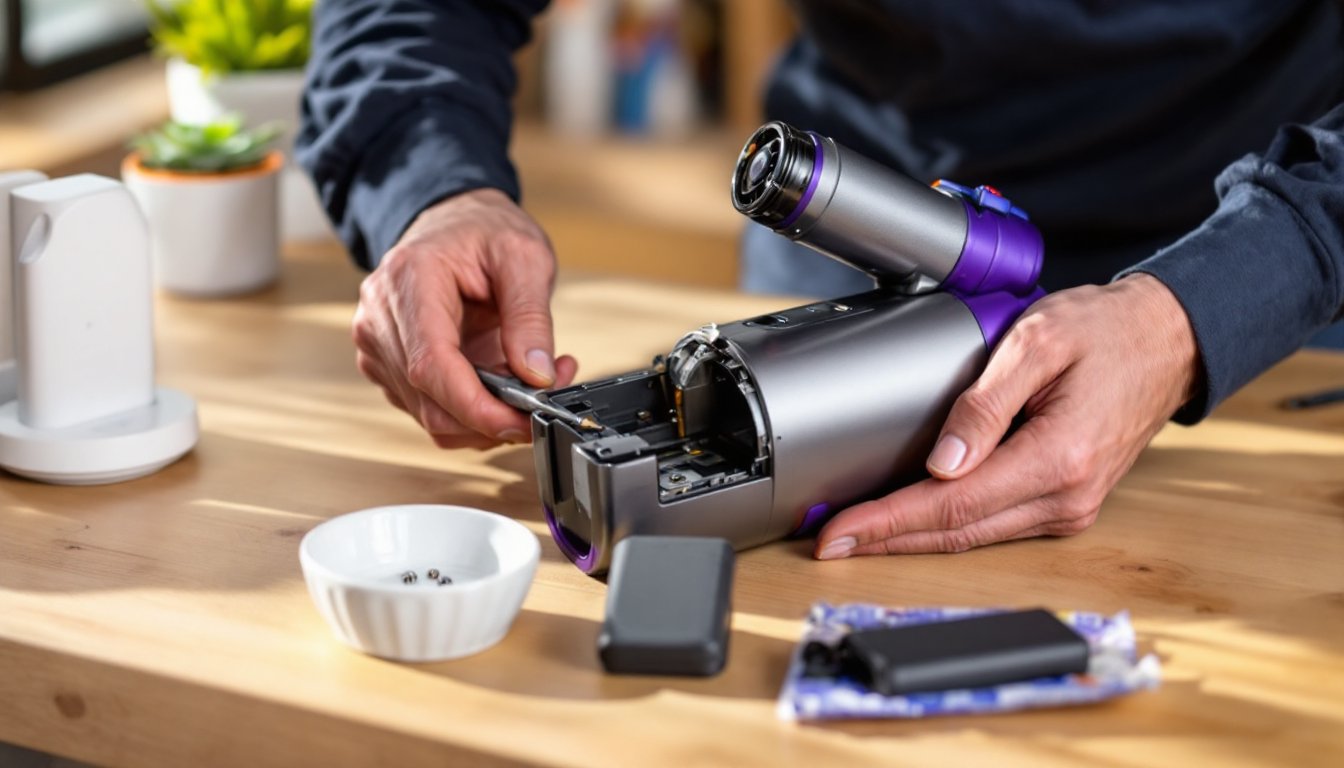
Inspect and clean the drain pump filter every three months. It’s usually behind a small access panel at the lower front of the washer. Place a shallow pan or towels underneath, unscrew the filter cap, and remove debris, coins, lint, hairpins, and pet hair are common culprits. A clogged filter reduces drainage and can trigger error codes.
For ventless dryers, check the condensation reservoir (if your model has one) after each cycle. Most Bosch heat pump dryers auto-drain, but if yours uses a reservoir, empty it to prevent overflow and maintain drying efficiency. Clean the lint filter before every load, and vacuum the filter housing quarterly to remove fine fibers.
Use high-efficiency (HE) detergent only. Bosch washers are designed for low-sudsing formulas. Regular detergent creates excess foam, which can interfere with sensors, reduce rinse effectiveness, and leave residue on clothes. Follow dosage guidelines, more detergent doesn’t mean cleaner clothes.
Check water supply hoses annually. Bosch recommends replacing braided stainless steel hoses every five years to prevent burst failures. If you spot bulging, cracks, or corrosion, replace them immediately. Shut off the water supply when you’re away for extended periods to reduce the risk of leaks.
Keep the machine level. An unlevel washer can cause excessive vibration, premature bearing wear, and error codes. Use a torpedo level on top of the washer and adjust the front leveling feet until the bubble is centered. Lock the feet with the jam nuts once you’ve achieved level.
Kitchen and laundry appliance care guidelines emphasize the importance of using the right detergent and keeping drainage paths clear, both apply here. With consistent upkeep, a Bosch washer dryer can deliver 10 to 15 years of reliable service.
Conclusion
A Bosch washer dryer brings German precision, energy efficiency, and quiet operation to any laundry room. Whether you choose a space-saving all-in-one combo or a stackable set, these machines are built to last with proper installation and regular maintenance. Measure your space carefully, plan your hookups, and follow the upkeep steps outlined here to keep your investment running smoothly for years.