
Table of Contents
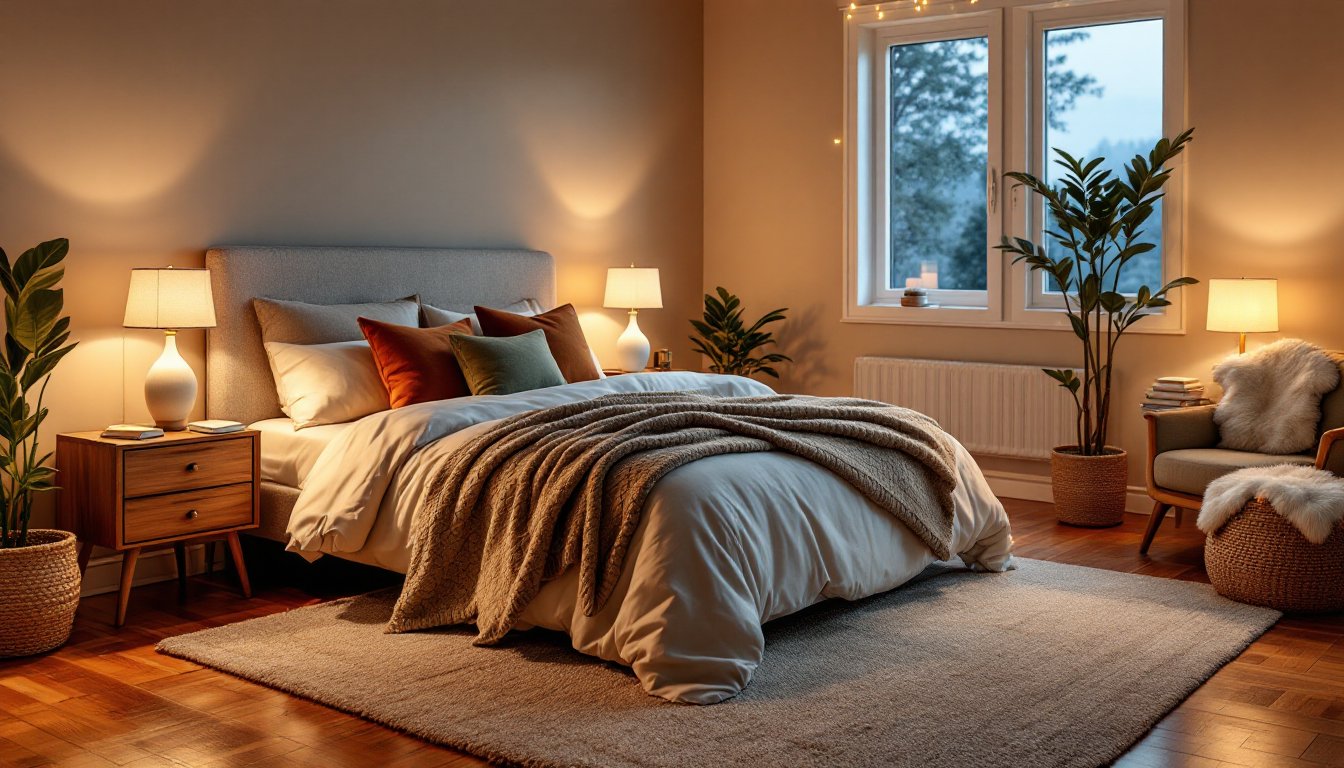
ToggleCreating a cozy bedroom isn’t just about throwing a few blankets on the bed, it’s about building a space where you can actually unwind after a long day. A well-designed, warm bedroom should feel like a retreat, not another project on your to-do list. Whether you’re working with a cramped apartment bedroom or a spacious master suite, the principles stay the same: layer textures, control your lighting, and choose materials that invite touch. The good news? Most cozy bedroom transformations don’t require a contractor or a complete renovation. With some strategic upgrades and a bit of elbow grease, you can turn a cold, generic bedroom into a warm, inviting space that feels like home.
Key Takeaways
- Layer your bedding with quality sheets, blankets, a duvet, and decorative throw pillows to create the foundation of a cozy bedroom that invites relaxation.
- Stick to warm, muted earth tones like terracotta, sage green, and warm taupe to set an inviting mood without overstimulation.
- Replace harsh overhead lighting with layered light sources like bedside lamps, dimmers, and warm white bulbs (2700K-3000K) to achieve soft, ambient glow.
- Add texture through area rugs, throw blankets, and mixed-material pillows to create a lived-in feel that’s both visually interesting and tactilely inviting.
- Incorporate natural elements like wood furniture, plants, and woven baskets to bring warmth and grounded sophistication that synthetic materials cannot match.
- Create a reading nook or relaxation corner with a comfortable chair and side table to transform your cozy bedroom into a true personal retreat.
Layer Your Bedding for Ultimate Comfort
Bedding is the foundation of any cozy bedroom, and layering is what separates a hotel-like bed from one that actually invites you in. Start with a quality fitted sheet, 300-thread-count cotton or linen works well for year-round comfort. Skip the scratchy polyester blends: they don’t breathe and they’ll make you sweat.
Next, add a flat sheet (yes, even if you’re in the “no top sheet” camp, it’s an extra layer you can kick off). Follow that with a medium-weight blanket or cotton coverlet, then top it off with a duvet or comforter in a washable cover. The duvet insert should match your climate: down or down-alternative with a fill power of 600+ for cold regions, lighter weight for warmer areas.
Pillows matter more than most people think. Use at least two sleeping pillows per person, firm enough to support your neck but not so dense they feel like bricks. Then add 2-4 decorative throw pillows in varying sizes. Don’t overthink it: one or two larger pillows (18″ or 20″ square) and a couple smaller lumbar or accent pillows will do. Choose covers in natural fabrics like cotton, linen, or wool blends.
Finish with a throw blanket draped at the foot of the bed. Chunky knit, faux fur, or a heavy cotton waffle weave all add visual and tactile warmth. This is where cozy bedroom decor becomes functional, grab it when you need an extra layer without tearing apart the whole bed.
Choose Warm, Inviting Color Palettes
Color sets the mood before you touch a single piece of furniture. For a warm and cozy bedroom, stick to earth tones and muted hues that don’t overstimulate. Think terracotta, warm taupe, sage green, soft ochre, and cream. If you’re repainting, use a satin or eggshell finish, it’s more forgiving than flat paint and easier to clean than semi-gloss.
When choosing paint, one gallon typically covers 350-400 square feet with one coat. Most bedrooms need two coats for even coverage, especially if you’re going from a light color to something deeper. For accent walls, consider a shade two or three steps darker on the same paint chip, it adds depth without jarring contrast.
If a full repaint isn’t in the budget, bring in warm tones through bedding, curtains, and decor. A rust-colored duvet cover or terracotta throw pillows can shift the entire feel of a white-walled room. Aesthetic cozy bedroom ideas often rely on layering warm neutrals rather than bold statements.
Avoid stark whites and cool grays if warmth is your goal. They read clinical under most lighting and require a lot of supplementary warmth from textiles to feel inviting. If you’re stuck with builder-grade white walls (common in apartments), add warmth with wood furniture, brass or bronze hardware, and warm-toned artwork. Even switching out chrome curtain rods for oil-rubbed bronze or matte black can make a noticeable difference.
Incorporate Soft Lighting and Ambient Glow
Overhead lighting is the enemy of coziness. A single ceiling fixture blasts light from above and casts harsh shadows, great for folding laundry, terrible for winding down. The fix: layer your light sources and put them on dimmers wherever possible.
Start with bedside table lamps or wall-mounted sconces. Aim for fixtures with fabric or frosted glass shades that diffuse light rather than expose the bulb. Use warm white LED bulbs (2700K-3000K color temperature) instead of daylight or cool white, they mimic the glow of incandescent bulbs without the heat or energy waste. A 60-watt equivalent (about 800 lumens) is usually enough for reading without being glaring.
Add ambient lighting with a floor lamp in a corner or behind a chair. Torchiere-style lamps bounce light off the ceiling for a soft wash. If you want to get creative, LED strip lighting behind a headboard or under floating nightstands adds a subtle glow. Make sure strips are warm white and dimmable, cool-toned LEDs will kill the vibe.
Candles (real or battery-operated) are a low-effort win. A couple of pillar candles on a dresser or a string of battery-powered fairy lights draped over a headboard add flicker and warmth. If using real candles, keep them away from curtains and bedding, and never leave them burning unattended. Many interior design trends lean heavily on lighting as the quickest way to shift a room’s mood.
If you’re wiring new fixtures or adding switches, that’s electrical work. If you’re not comfortable with 120V wiring, hire a licensed electrician, especially if you’re adding ceiling fixtures or installing dimmers for the first time. Most jurisdictions require permits for new electrical runs or modifications to existing circuits.
Add Texture Through Rugs, Throws, and Pillows
Texture is what makes a cozy bedroom feel lived-in rather than staged. Smooth surfaces, like painted drywall, laminate furniture, and synthetic bedding, don’t invite touch. You need contrast: rough against smooth, soft against firm.
Start with an area rug. Even if you have carpet, a rug defines the space and adds another layer underfoot. For a bedroom, you want something soft enough to step on barefoot. Wool, jute blends, or high-pile synthetic rugs all work. Size matters: the rug should extend at least 18-24 inches beyond each side of the bed. For a queen bed (60″ wide), that means a rug at least 8′ x 10′. If you’re in a small apartment bedroom, a 5′ x 7′ rug placed at the foot of the bed or along one side is better than nothing.
Next, layer in throws and blankets with varied textures. A chunky cable-knit throw, a faux sheepskin draped over a chair, a linen blanket folded at the foot of the bed, each adds visual and physical warmth. Don’t match everything. A bedroom that’s all the same texture feels flat.
Throw pillows are the easiest place to experiment. Mix materials: a velvet pillow next to a linen one, a wool lumbar pillow against cotton shams. Odd numbers usually look better than even, three or five pillows per side rather than two or four.
Curtains add softness and help with temperature control. Heavyweight linen or cotton canvas panels in floor-length cuts (they should just kiss the floor or puddle slightly) make a room feel more finished. If you’re mounting curtain rods, use a stud finder and anchor into wall studs or use appropriate drywall anchors rated for the weight of the rod and fabric. Poorly anchored rods sag or pull out entirely.
Create a Reading Nook or Relaxation Corner
A bedroom isn’t just for sleeping. If you’ve got the square footage, carve out a small zone for reading, journaling, or just sitting. This is especially valuable in cozy apartment bedroom ideas where the bedroom doubles as a personal retreat.
You don’t need much: a comfortable chair (an upholstered armchair or even a pouf if space is tight), a small side table, and a reading lamp. Position the chair near a window if possible, natural light during the day is a bonus, and you can frame the view with curtains for privacy.
If floor space is limited, consider a corner setup. A small corner shelf unit can hold books, a plant, and a candle. Add a floor cushion or meditation pillow, and you’ve got a spot to sit that doesn’t involve the bed. Some people use a window seat if they have the architectural bones for it, if you’re building one in, make sure to account for wall stud placement and properly support any built-in bench with blocking or brackets anchored into framing.
For cozy master bedroom ideas, a reading nook can also include a small bookshelf or a ladder-style blanket rack to keep extra throws within reach. The goal is to make the space feel multifunctional without cluttering it up. Keep surfaces clear except for what you’re actively using.
Bring in Natural Elements and Greenery
Natural materials and living plants make a room feel grounded. Wood, stone, clay, and fiber all bring warmth that synthetic materials can’t match.
If your furniture is mostly laminate or MDF, swap in one or two solid wood pieces, a nightstand, a bench, or even a simple wooden tray on the dresser. You don’t need to replace everything: small touches go a long way. Home styling guides often emphasize mixing natural wood tones rather than matching everything to one finish.
Plants improve air quality and add life to a space, but choose varieties that tolerate low light if your bedroom doesn’t get much sun. Snake plants, pothos, and ZZ plants are nearly indestructible. If you’re prone to killing plants, high-quality faux greenery is an acceptable substitute, just avoid the cheap plastic stuff that looks fake from across the room.
Other natural elements to consider: a woven basket for storing extra blankets, a ceramic or clay vase, a chunk of driftwood or a piece of natural stone as a decorative object. Even switching out plastic hangers for wooden ones adds a subtle layer of warmth when you open the closet.
If you’re adding shelving to display plants or decor, make sure it’s properly anchored. Use a stud finder to locate framing, or use heavy-duty toggle bolts if you’re going into drywall. A shelf loaded with potted plants can easily exceed 20-30 pounds, and standard drywall anchors won’t cut it.
Conclusion
Building a cozy bedroom doesn’t require a full renovation or a designer budget, it’s about intentional choices in lighting, texture, color, and materials. Layer your bedding, choose warm tones, add multiple light sources, and bring in natural elements. Most of these upgrades are weekend projects that don’t require permits or pro help. Start with the changes that’ll make the biggest impact for your space, and build from there. A bedroom that feels warm and inviting is one you’ll actually want to spend time in.