Table of Contents
ToggleFisher and Paykel (often styled as Fisher & Paykel) has spent decades building a reputation for smart engineering and design-forward appliances. Their refrigerators are no exception. If you’re remodeling a kitchen or replacing an aging unit, you’re probably weighing cabinet dimensions, energy ratings, and storage layouts. Fisher Paykel refrigerators deliver on all fronts, pairing sleek aesthetics with thoughtful features like flexible shelving and advanced humidity control. They’re built in New Zealand and designed for homeowners who want something beyond the standard big-box offering. This guide breaks down what makes these units worth a closer look, which configurations fit different spaces, and how to keep them running smoothly for years.
Key Takeaways
- Fisher and Paykel refrigerators combine smart engineering with sleek design, featuring inverter-driven compressors and ActiveSmart technology that adjusts cooling cycles based on door openings and kitchen temperature.
- French door models are the most popular configuration, offering 17–25 cubic feet of capacity with adjustable shelving and humidity-controlled produce drawers that keep fresh food fresher longer.
- Counter-depth and integrated (panel-ready) Fisher and Paykel refrigerator options provide a seamless kitchen aesthetic but require careful cabinet planning and cost 15–25% more than standard stainless models.
- Most Fisher and Paykel units are ENERGY STAR certified with annual operating costs of $50–$70, plus thoughtful features like Sabbath mode and recessed ice/water dispensers that preserve storage space.
- Proper installation requires a dedicated 115V circuit, water line access (if applicable), and at least 1 inch of side clearance and 2 inches of rear clearance to ensure optimal airflow and compressor longevity.
- Routine maintenance—cleaning condenser coils every six months, replacing water filters on schedule, and checking door seals annually—keeps your Fisher and Paykel refrigerator running efficiently for years.
Why Fisher and Paykel Refrigerators Stand Out in Today’s Market
Fisher and Paykel refrigerators aren’t trying to be everything to everyone. They focus on a few core design principles: minimal visual clutter, adaptable interior layouts, and materials that hold up under daily use.
Build quality is a major differentiator. Cabinet panels are typically stainless steel or fingerprint-resistant coated steel, and door seals are engineered for tight closure, important if you live in a humid climate or run your HVAC year-round. The compressors are inverter-driven, which means they ramp up and down based on load rather than cycling on and off. That translates to steadier internal temps and lower energy draw over time.
Another standout: ActiveSmart technology. This system uses sensors to monitor how often you open the door, ambient kitchen temperature, and internal humidity levels. It adjusts airflow and cooling cycles accordingly. If you’re someone who meal-preps on Sundays and opens the fridge constantly, the unit compensates. If you’re away for a week, it throttles back. It’s not a gimmick, it’s responsive engineering that keeps produce fresher and cuts down on freezer burn.
The company also leans into customization. Many models feature adjustable split shelves, removable door bins, and fold-flat racks that accommodate anything from sheet pans to wine bottles. That flexibility matters when you’re storing bulk groceries or prepping for a holiday meal. You won’t find yourself rearranging half the fridge just to fit a watermelon.
Popular Fisher and Paykel Refrigerator Models and Configurations
Fisher & Paykel offers several layout types. Choosing the right one depends on your kitchen footprint, cabinet depth, and how you use the space.
French Door Refrigerators
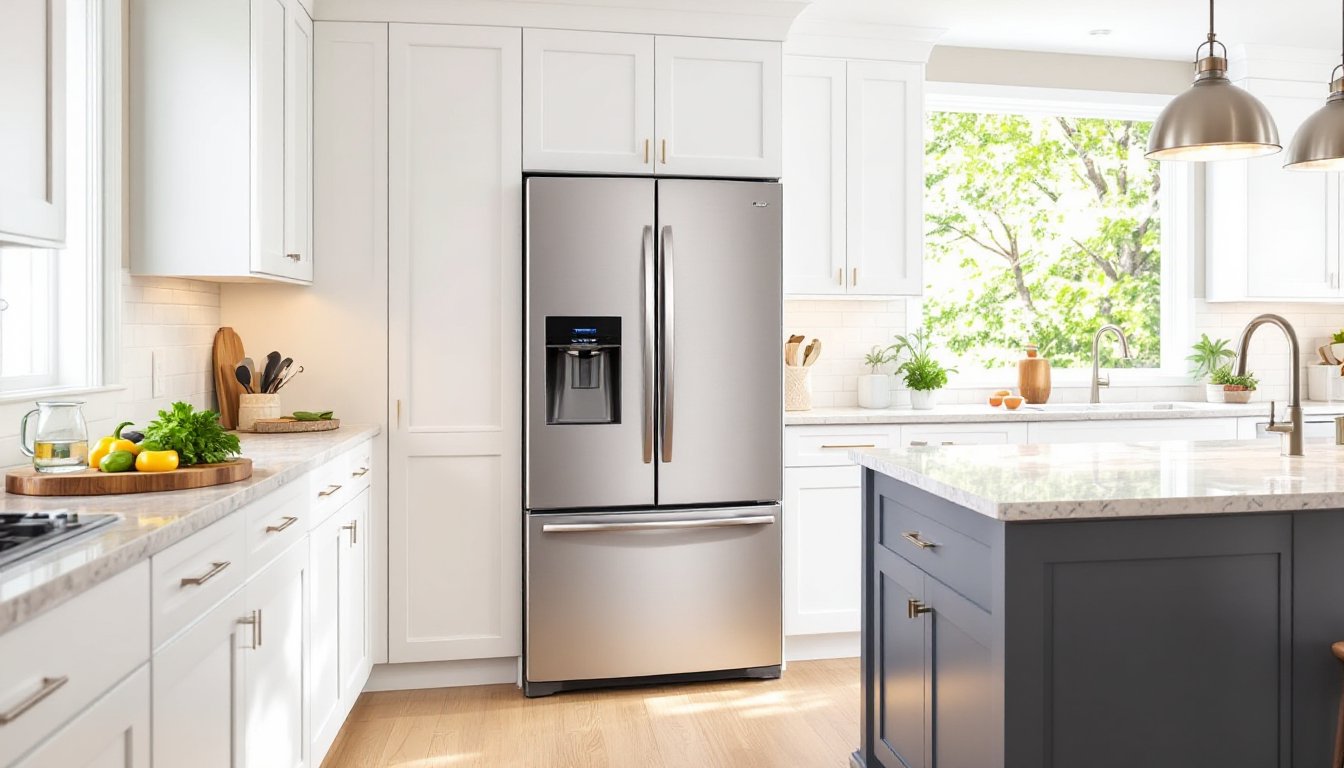
French door models are the most popular configuration. You get a full-width refrigerator compartment on top with double doors, and one or two freezer drawers below. Standard widths run 32 to 36 inches, with depths around 28 to 30 inches (excluding handles). These units fit most standard kitchen layouts without custom cabinetry.
Internal capacity typically ranges from 17 to 25 cubic feet, depending on the model. The top shelves are spill-proof glass, and many units include a dedicated produce drawer with separate humidity controls. The freezer drawer usually has a divider, so you can keep frozen vegetables separate from ice packs or meat.
One thing to note: French door fridges require clearance for both doors to swing open. If you have a galley kitchen or tight corner placement, measure the arc. You’ll need at least 36 inches of clearance in front for comfortable access.
Counter-Depth and Integrated Options
Counter-depth models are built to align flush with standard 24-inch-deep base cabinets and countertops. They sacrifice a bit of internal volume, usually around 2 to 4 cubic feet compared to standard depth, but the aesthetic payoff is huge. No more refrigerator jutting into your walkway.
Integrated (or panel-ready) models take it a step further. The front accepts custom cabinet panels, so the fridge blends into your cabinetry. These are common in high-end remodels and new construction where design cohesion is a priority. Many modern kitchen remodels use integrated appliances to achieve a seamless, furniture-like look.
Installation is more involved. You’ll need to confirm cabinet dimensions, hinge clearances, and whether the unit requires a trim kit. If you’re not comfortable scribing panels or adjusting European-style hinges, hire a cabinet installer. Panel-ready units also cost more upfront, budget an extra 15 to 25 percent over a standard stainless model.
Key Features That Homeowners Love
Fisher Paykel refrigerators pack in several features that solve common frustrations.
Humidity-controlled drawers are a big one. Produce bins let you dial in high or low humidity. Leafy greens and herbs stay crisp longer in high humidity: fruits and peppers do better in low. It’s a simple slider mechanism, but it makes a noticeable difference if you buy fresh produce in bulk.
Adjustable shelving is another win. Split shelves slide left or right, and some models have fold-down sections. That means you can slide in a tall pitcher or stock pot without removing an entire shelf. Door bins are also adjustable and deep enough for gallon jugs.
LED lighting is standard across most models. Strips run along the ceiling and sides of the fridge, eliminating dark corners. The light is bright enough to see expiration dates without a flashlight, and LEDs pull minimal wattage.
The ice and water dispenser (available on select models) is recessed into the left door. It uses a slimline tank that doesn’t eat into fridge space. Filters are rated for six months or 300 gallons, whichever comes first. Replacement filters cost around $40 to $60 and snap in without tools.
One feature to call out: Sabbath mode. If you observe religious practices that restrict appliance use on certain days, this mode disables lights, fans, and dispenser functions while keeping the compressor running. It’s a thoughtful inclusion that many mainstream brands overlook.
Energy efficiency is solid across the board. Most models are ENERGY STAR certified, which means they meet or beat federal efficiency guidelines. Expect annual operating costs in the $50 to $70 range for a mid-size unit, depending on your local electricity rates.
Installation and Kitchen Design Considerations
Before you buy, confirm three things: cabinet clearances, electrical supply, and water line access (if your model has a dispenser or ice maker).
Fisher and Paykel refrigerators require a dedicated 115V, 15-amp circuit. Don’t share the circuit with a microwave or garbage disposal. The outlet should be within 12 inches of the unit’s final position, and it’s typically located low on the wall or in the adjacent cabinet.
For water supply, you’ll need a ¼-inch copper or braided stainless supply line tapped into a cold water pipe. Most codes require a shutoff valve within 6 feet of the appliance. If you’re remodeling, stub out the line during rough-in. If you’re retrofitting, you can use a saddle valve on an existing pipe, but a proper tee and compression valve is more reliable long-term.
Clearance is critical. Allow at least 1 inch on each side and 1 inch above the unit for airflow. The rear should have 2 inches of clearance from the wall unless the model specifies otherwise. Insufficient airflow forces the compressor to work harder, shortening its lifespan and driving up energy costs.
Counter-depth and integrated models often require a trim kit or filler strips to bridge gaps between the appliance and cabinetry. These are usually sold separately and cost $100 to $300 depending on finish. Cabinet installers can scribe and fit them during installation.
Door swing is another consideration. Many appliance reviews note that French door models need space for both doors to open fully. In a U-shaped or galley kitchen, that can be tight. Measure the swing arc and confirm it clears adjacent cabinets, islands, and doorways.
If you’re replacing an older unit, check the rough opening. Refrigerators have grown wider and taller over the past two decades. A 1990s fridge cutout may not fit a modern 36-inch model without cabinet modifications. Bring a tape measure and the spec sheet to your kitchen before ordering.
Maintenance Tips to Maximize Performance and Longevity
Fisher & Paykel refrigerators are low-maintenance, but a few routine tasks keep them running efficiently.
Clean the condenser coils every six months. On most models, coils are located behind the kick plate at the bottom front of the unit. Pull off the grille (it usually snaps on), then vacuum the coils with a brush attachment or use a coil brush (available for around $10 at hardware stores). Dust and pet hair reduce airflow, forcing the compressor to work harder.
Replace the water filter on schedule. Even if water still flows, a clogged filter can reduce ice production and affect water taste. Set a reminder on your phone for every six months. Filters are model-specific, so double-check the part number in your owner’s manual.
Check door seals annually. Wipe them down with warm, soapy water to remove food residue and grime. A failing seal lets cold air escape, which spikes energy use and creates frost buildup. To test the seal, close the door on a dollar bill. If you can pull the bill out easily, the seal may need replacement. Replacement gaskets cost $80 to $150 and are DIY-friendly if you’re comfortable with a screwdriver and a heat gun to soften the gasket.
Level the unit during installation. An unlevel refrigerator can cause doors to swing open or prevent them from closing fully. Use a torpedo level on top of the unit and adjust the front leveling legs until it’s plumb. Most models have adjustable feet that turn with a wrench or by hand.
Avoid overloading shelves. Glass shelves are tempered, but stacking heavy items (like gallon jugs or cast iron) can crack them over time. Distribute weight evenly and use lower shelves for heavier items.
Defrost the freezer if frost builds up. While most Fisher Paykel models are frost-free, leaving the door open or a faulty seal can cause ice accumulation. If you see more than ¼ inch of frost, empty the freezer, unplug the unit, and let it thaw with towels underneath. Once defrosted, check the door seal and ensure the defrost drain isn’t clogged.
Keep the exterior clean. Stainless steel can be wiped down with a microfiber cloth and a stainless cleaner or a mix of dish soap and water. Wipe in the direction of the grain to avoid streaks. For fingerprint-resistant finishes, a damp cloth is usually enough.
If your unit has an ice maker, flush the system after filter changes. Dispense and discard the first two gallons of water and the first batch of ice to clear any carbon fines from the new filter. Many kitchen design guides recommend this step to avoid gritty ice or cloudy water.
Fisher and Paykel offers a two-year limited warranty on parts and labor, with a five-year sealed system warranty covering the compressor and refrigerant loop. Keep your purchase receipt and register the unit online within 30 days to activate the warranty. Extended service plans are available through some retailers if you want coverage beyond the standard term.